
CFM56 Borescope Inspection Services
FAA-Certified CFM56 Borescope Inspections
(AOG, Lease Returns & Pre-Purchase)
Powerhouse Engines provides rapid, FAA-certified aircraft engine borescope inspection services specializing in the CFM56-3, CFM56-5, and CFM56-7 engine platforms. Whether you require immediate AOG (Aircraft on Ground) support, a detailed lease return evaluation, or a comprehensive pre-purchase inspection, our video borescope capabilities deliver detailed internal engine visibility to identify wear, FOD, and performance risks.
Using advanced digital borescope equipment, our technicians provide high-resolution reporting that enables operators, lessors, and buyers to make informed, cost-effective maintenance decisions without unnecessary engine tear-downs.
Specialized Borescope Services We Provide:
- AOG Rapid Response: Fast, on-wing borescope diagnostics to clear engine faults and return your aircraft to revenue service safely.
Lease Return Inspections: Comprehensive, unbiased engine evaluations and detailed video reporting to satisfy stringent lease return conditions.
Pre-Purchase Inspections: Protect your investment. We evaluate the internal health of the high-pressure compressor (HPC), combustor, and high-pressure turbine (HPT) before you finalize an engine acquisition.
FOD (Foreign Object Damage) Assessment: Immediate damage mapping and structural integrity evaluations following a bird strike or debris ingestion.
3 Key Reasons to Have a Borescope Inspection
1. Early Detection of Issues:
– Prevent Major Failures: Borescope inspections allow for the early identification of cracks, corrosion, wear, and other defects within the engine’s internal components. Detecting these issues early can prevent minor problems from developing into major, costly failures.
– Targeted Maintenance: By pinpointing specific areas that require attention, borescope inspections enable targeted maintenance, reducing the likelihood of unexpected breakdowns and enhancing overall engine reliability.
2. Cost Efficiency:
– Reduce Downtime: Since these inspections are non-invasive, they can be performed without disassembling the engine, significantly reducing downtime. This means aircraft can return to service more quickly, improving operational efficiency.
– Lower Repair Costs: Identifying and addressing potential issues early through borescope inspections can prevent more extensive and expensive repairs. This proactive approach helps in managing maintenance budgets more effectively.
3. Regulatory Compliance and Safety:
– Adhere to Standards: Regular borescope inspections are often required to comply with aviation regulations and manufacturer guidelines. Adhering to these standards ensures the engine meets all safety and performance criteria.
– Enhance Safety: Ensuring that the engine’s internal components are in good condition is crucial for safe operation. Borescope inspections help maintain the engine’s structural integrity, reducing the risk of in-flight failures and enhancing the overall safety of the aircraft.
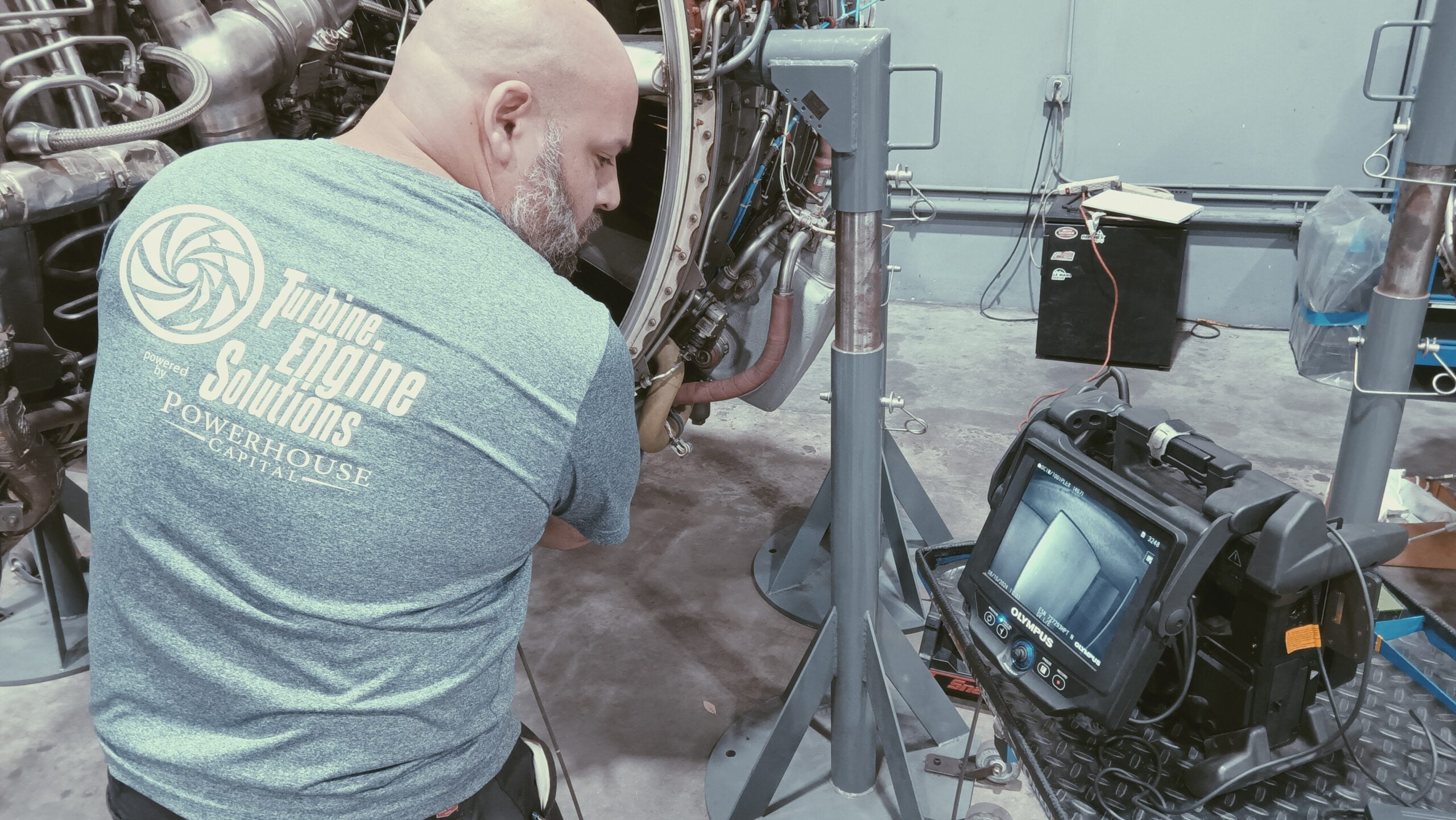
Borescope Inspection for CFM56 Engine
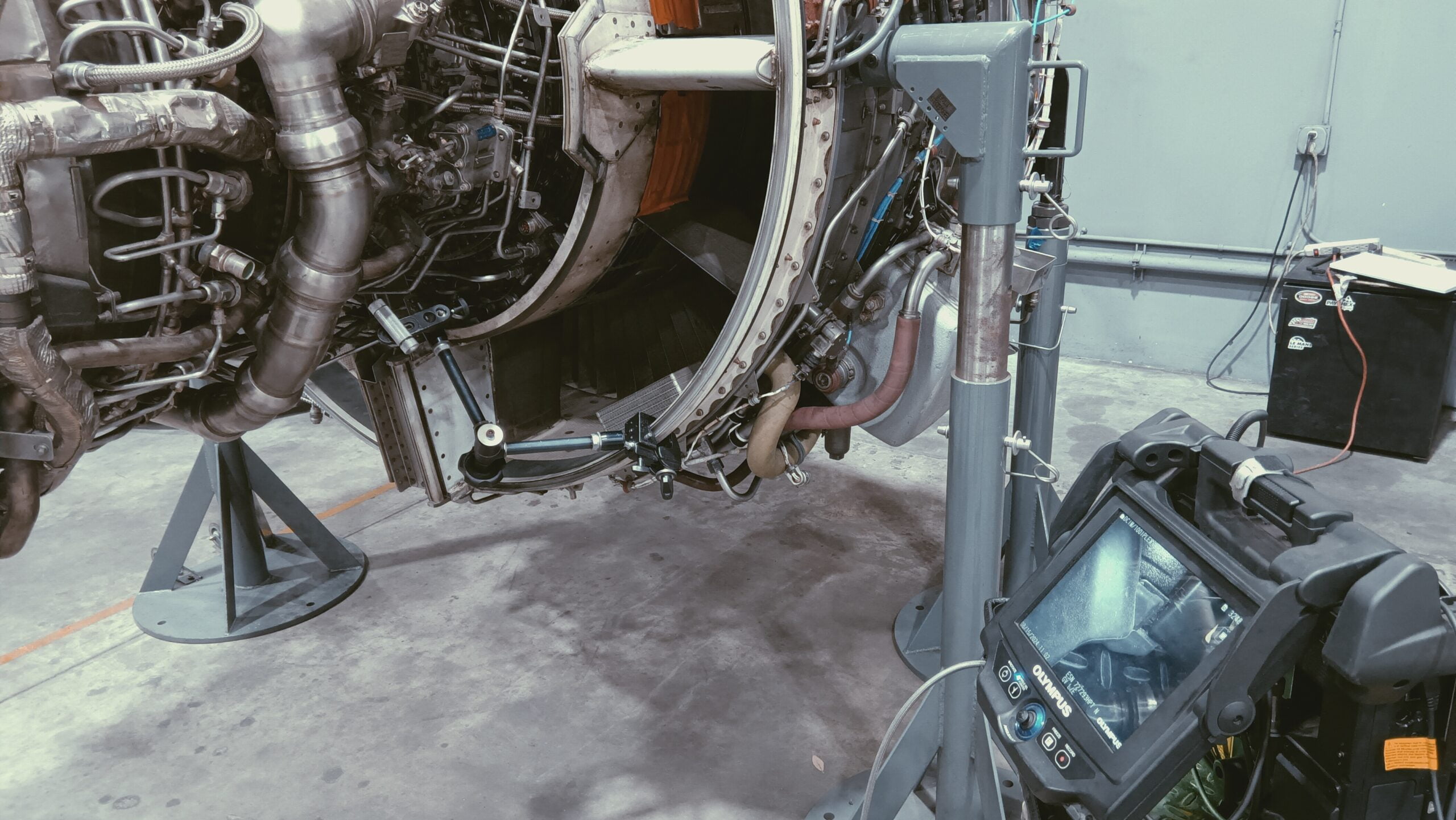
A borescope inspection is a critical diagnostic procedure used to evaluate the internal condition of a CFM56 engine without disassembly. Utilizing a specialized flexible or rigid optical device called a borescope, technicians can visually inspect and assess the engine’s internal components through small access ports.
Key Features:
Non-Invasive Procedure:
- Conducted without dismantling the engine, minimizing downtime and reducing maintenance costs.
Detailed Visual Assessment:
- Provides high-resolution images and video of the engine’s internal components, allowing for detailed examination of areas such as the combustion chamber, turbine blades, and compressor stages.
Early Detection of Issues:
- Identifies wear, corrosion, cracks, and other potential issues early, enabling proactive maintenance and preventing more severe problems.
You’ve got questions, we’ve got answers.
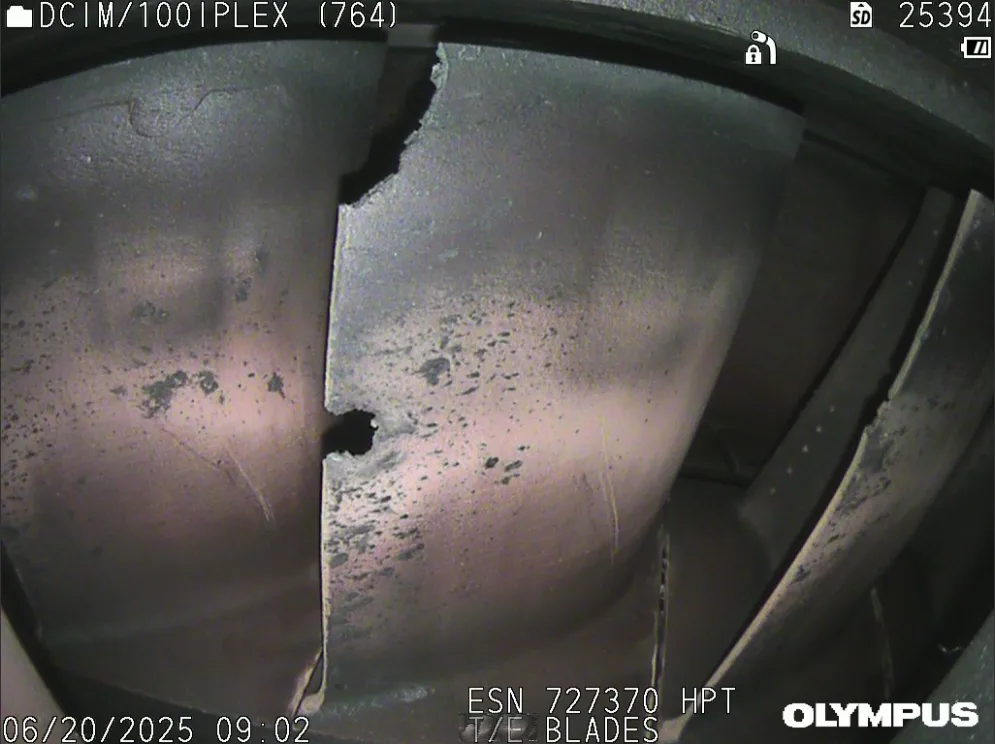
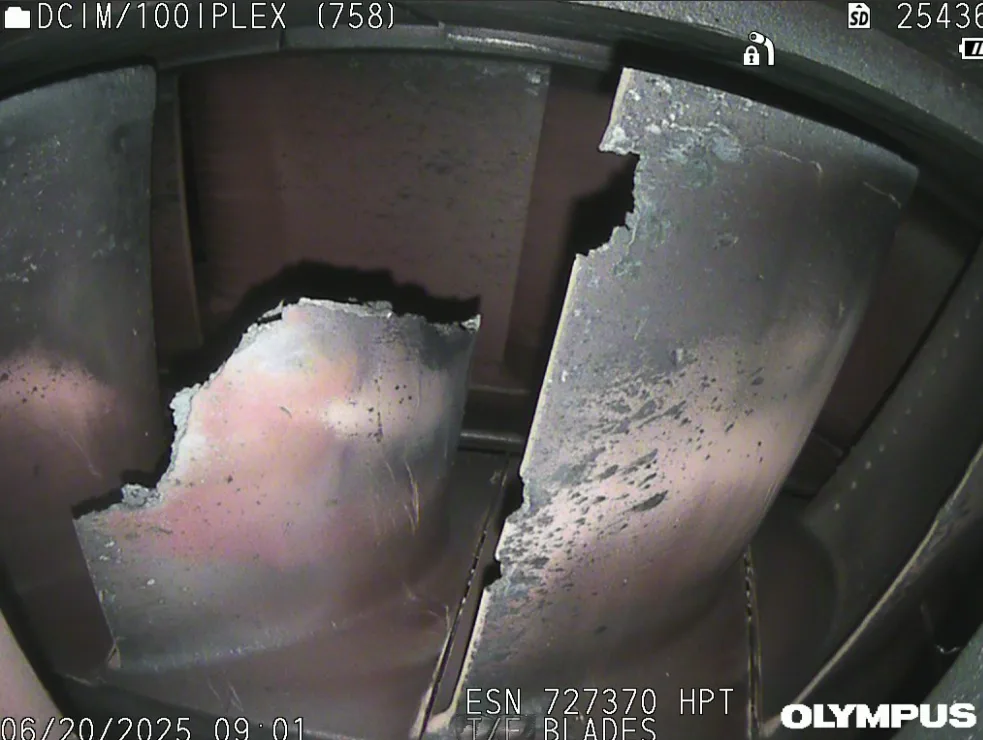
CFM56-3 High-Pressure Turbine (HPT)
Blade Foreign Object Damage
Foreign Object Damage (FOD) to the High-Pressure Turbine (HPT) blades of a CFM56-3 engine can have serious operational implications. Damage to the turbine blades can cause a loss of thrust, an increase in Exhaust Gas Temperature (EGT), and reduced climb performance.
While most commercial aircraft are equipped with two or more engines, allowing for the possibility of a successful take-off and landing following such an event, any engine failure of this nature demands immediate inspection and corrective action. Prompt attention is critical to ensuring the continued safety of the aircraft, its crew, and all souls on board.
At Powerhouse Engines, our skilled technicians specialize in the rapid assessment, repair, and hospital turnaround of CFM56 engines affected by FOD. Leveraging our advanced video diagnostic capabilities and Part 145 repair expertise, we evaluate the exact extent of the damage to restore engines to peak operational performance—ensuring reliability, safety, and absolute compliance with the highest industry standards
Technical Insight: Why FOD Causes EGT to Rise
HPT blades operate in extreme temperature and pressure conditions, extracting energy from high-velocity exhaust gases to drive the compressor stages. When FOD damages blade surfaces or leading edges, airflow is disrupted, reducing aerodynamic efficiency. The engine compensates by burning more fuel to maintain thrust, which increases EGT. Prolonged operation in this state accelerates wear, reduces turbine life, and can lead to more severe failures if left unaddressed.
Benefits:
- Enhanced Safety:
- Early detection of defects and wear ensures timely repairs, contributing to the overall safety and reliability of the engine.
- Cost Savings:
- Prevents expensive repairs by identifying issues before they escalate, reducing the need for extensive overhauls.
- Operational Efficiency:
- Minimizes engine downtime, ensuring that aircraft are returned to service promptly.
- Compliance:
- Helps maintain compliance with regulatory requirements and manufacturer guidelines for regular inspections.
In summary, this type of inspection is an essential part of the maintenance regime for CFM56 engines, offering a thorough and efficient method to monitor engine health, ensure safety, and maintain optimal performance.
Frequently Asked Questions
All You Need To Know About The Borescope Inspection Of A CFM56 Engine.
What is a borescope inspection?
Borescope inspection is a non-destructive method used to examine the internal components of the CFM56 engine. This technique provides a detailed view of engine parts without disassembling it, helping to identify any wear or damage.
Why is it important for CFM56?
Inspections are critical for the CFM56 engine’s performance. They help in detecting early signs of wear and tear, ensuring safety and reliability during flight operations.
How is the inspection performed?
The inspection typically involves inserting a borescope probe into the engine to capture images and videos. Technicians analyze these visuals to assess the condition of key components.
What should I expect during an inspection?
During the inspection, you can expect a thorough examination of specific engine parts like turbines and combustion chambers. The results are usually detailed in a report after the procedure is completed.
What are the common findings?
Common findings during an inspection can include signs of erosion, cracks, or other damages. Identifying these early can prevent more serious issues down the line.
How often should I schedule inspections?
Inspections should be scheduled based on usage and manufacturer recommendations. Regular checks help maintain engine health and performance.
What equipment is used?
The equipment used includes borescopes, cameras, and various controls to ensure a detailed inspection. These tools allow for high-quality visual assessments of engine parts.
Who performs the inspection?
Certified technicians perform the inspections, ensuring they follow all industry standards and practices. Experience is crucial for accurate assessments.
Is it costly?
Costs can vary depending on the service provider and the specific needs of your engine. It’s good practice to request quotes from several providers.
Can I get a report after?
Yes, a detailed report is usually provided after the inspection, summarizing findings and any recommended actions based on the results.
What turbine engines do you provide inspections for?
We are a certified to perform borescope inspections on the following engines: CFM56-2, CFM56-3, CFM56-5, CFM56-7, JT8, PT6, and the CF6-80.